You Need Good Tools Too
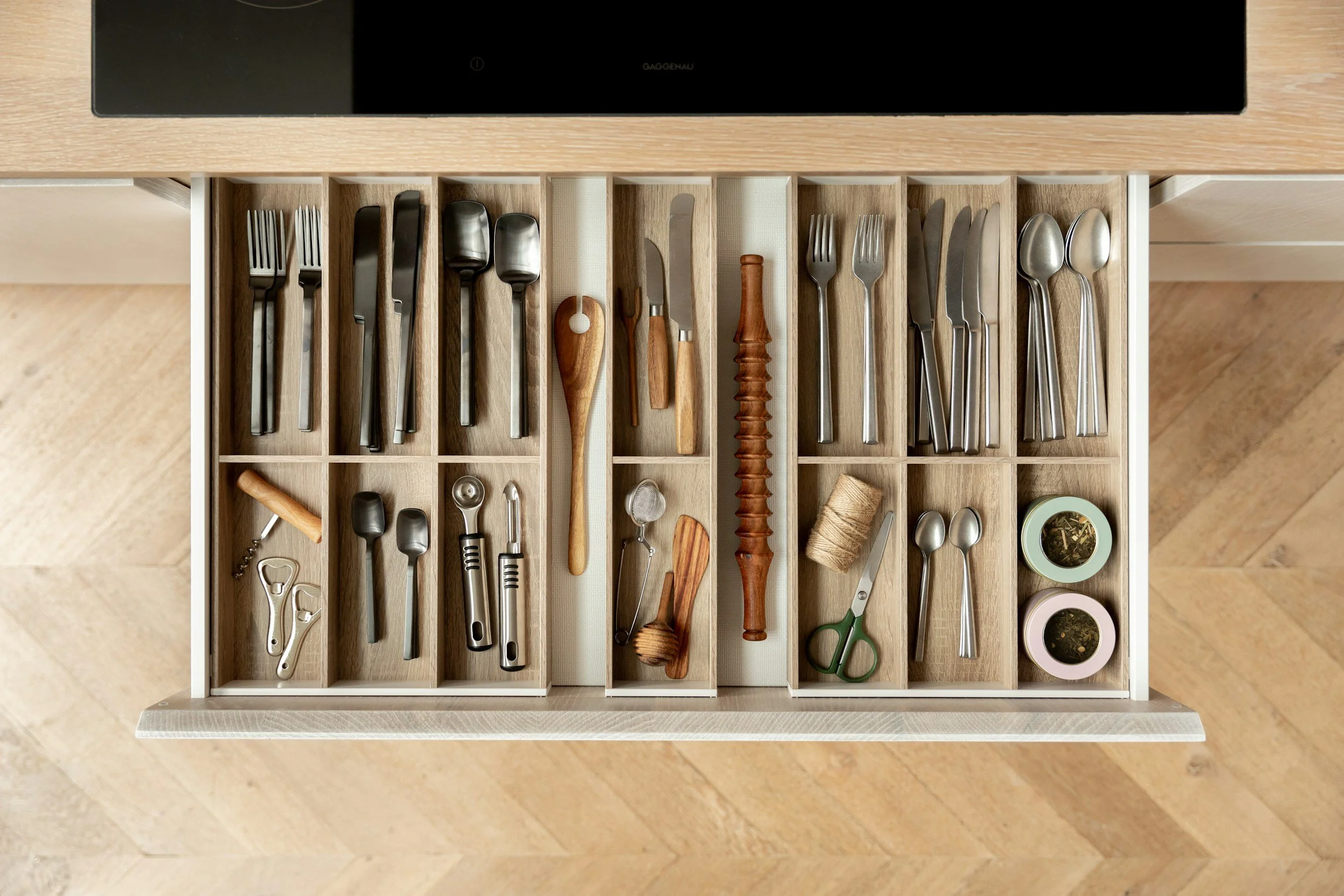
Think about your day today. How many little tools quietly made things easier? The right knife for the pie. The phone charger waiting exactly where you need it. The oven mitt hanging just within reach. Now imagine trying to get through your whole day without any of those.
When The Tool Isn't There
Ever tried to tighten a screw with a butter knife? Or clean a window with the wrong spray? You can make it work. But you're working twice as hard for half the result.
When I got home one evening, I started noticing all the little tools built into my own routines: The oven mitts by the stove. The right cleaner for the right surface. Chargers where I actually use my phone. A knife for every job. We collect these things over time because they make life smoother. They save energy and reduce friction.
And then it hit me: taking care of your mental health works exactly the same way.
Not Every Tool Fits Every Job
Life throws a problem your way. You reach for a tool. But not every tool fits every job. You wouldn't slice bread with a steak knife or scrub a wooden table with bleach. The wrong tool makes an easy job harder.
Mental health works the same way:
If your thoughts are racing, grounding yourself is like putting on an oven mitt. It helps you handle the heat.
If you're running on empty, texting a friend or stepping outside can be like plugging into a charger.
When everything feels overwhelming, setting a short timer and tackling one small task is like reaching for the right knife. The challenge feels cut down to size.
The Wrong Tool Makes Everything Harder
I see this constantly in my practice and in my own life. Someone tries deep breathing when what they really need is a firm boundary. Or they force themselves to journal when their body is begging for movement. Or they keep pushing through when rest is the only thing that will help. It's like trying to unscrew something with a butter knife: technically possible, but endlessly frustrating.
Why Different Tools Matter
As a psychiatrist, I use something called the biopsychosocial model, which just means your well-being has three connected parts:
Biological: your body (sleep, nutrition, movement)
Psychological: your inner world (thoughts, emotions, coping skills)
Social: your surroundings (relationships, community, environment)
When one gets off balance, the others feel it too. Poor sleep makes you anxious, which makes you withdraw from people. It's all connected. Different tools support different layers. A short walk resets your body. A mindful pause settles your thoughts. A conversation with a friend refills your social cup.
You don't need to be a psychiatrist to do this. But you do need to make time to slow down and notice: what do I actually need right now, and what tool would fit best?
Try This: Match The Tool To The Task
This week, try a simple reflection: Think of one situation that's been draining you. Ask yourself: "If this were a household task, what kind of tool would I need?"
Protection from the heat? → boundary
A sharper edge? → clear plan
A charger? → rest or connection
Pick one small tool to try this week. Examples: take a short walk after work, pause for three breaths before opening your inbox, or text someone you trust when you start to spiral.
You already care about the tools that make your home and work life easier. Your mind deserves the same attention.
Want more tools like this? You can find everyday mental health strategies on my YouTube channel @DrGretchenGavero.